The cloud extended some 3,200 km from Jamaica to well past Barbados in the eastern Caribbean and some 1,200 km from the Turks and Caicos Islands in the northern Caribbean down south to Trinidad and Tobago
San Juan: A massive cloud of dust from the Sahara Desert blanketed most of the Caribbean on June 2 in the biggest event of its kind this year as it heads toward the United States.
The cloud extended some 3,200 km from Jamaica to well past Barbados in the eastern Caribbean and some 1,200 km from the Turks and Caicos Islands in the northern Caribbean down south to Trinidad and Tobago.
The hazy skies unleashed sneezes, coughs and watery eyes across the Caribbean, with local forecasters warning that those with allergies, asthma and other conditions should remain indoors or wear face masks if outdoors.
The dust concentration was high, at .55 aerosol optical depth. The aerosol optical depth measures how much direct sunlight is prevented from reaching the ground by particles, according to the US National Oceanic and Atmospheric Administration.
The plume is expected to hit Florida, Louisiana, Alabama and Mississippi late this week and into the weekend. However, plumes usually lose most of their concentration in the eastern Caribbean.
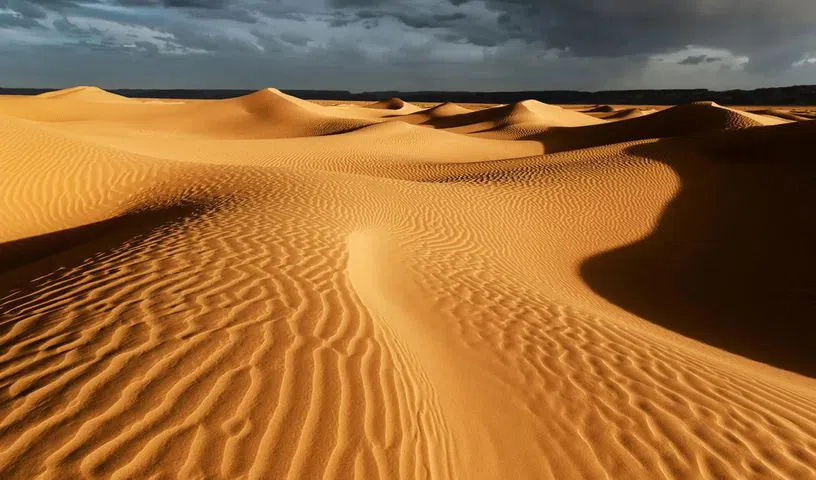
The dry and dusty air known as the Saharan Air Layer forms over the Sahara Desert in Africa and moves west across the Atlantic Ocean starting around April until about October, according to NOAA.
It also prevents tropical waves from forming during the Atlantic hurricane season, which runs June 1 to November 30. June and July usually have the highest dust concentration on average, with plumes travelling anywhere from 5,000 feet to 20,000 feet above the ground.
In June 2020, a record-breaking cloud of Sahara dust smothered the Caribbean.
The size and concentration of the plume hadn’t been seen in half a century, prompting forecasters to nickname it the “Godzilla dust cloud.” AP